
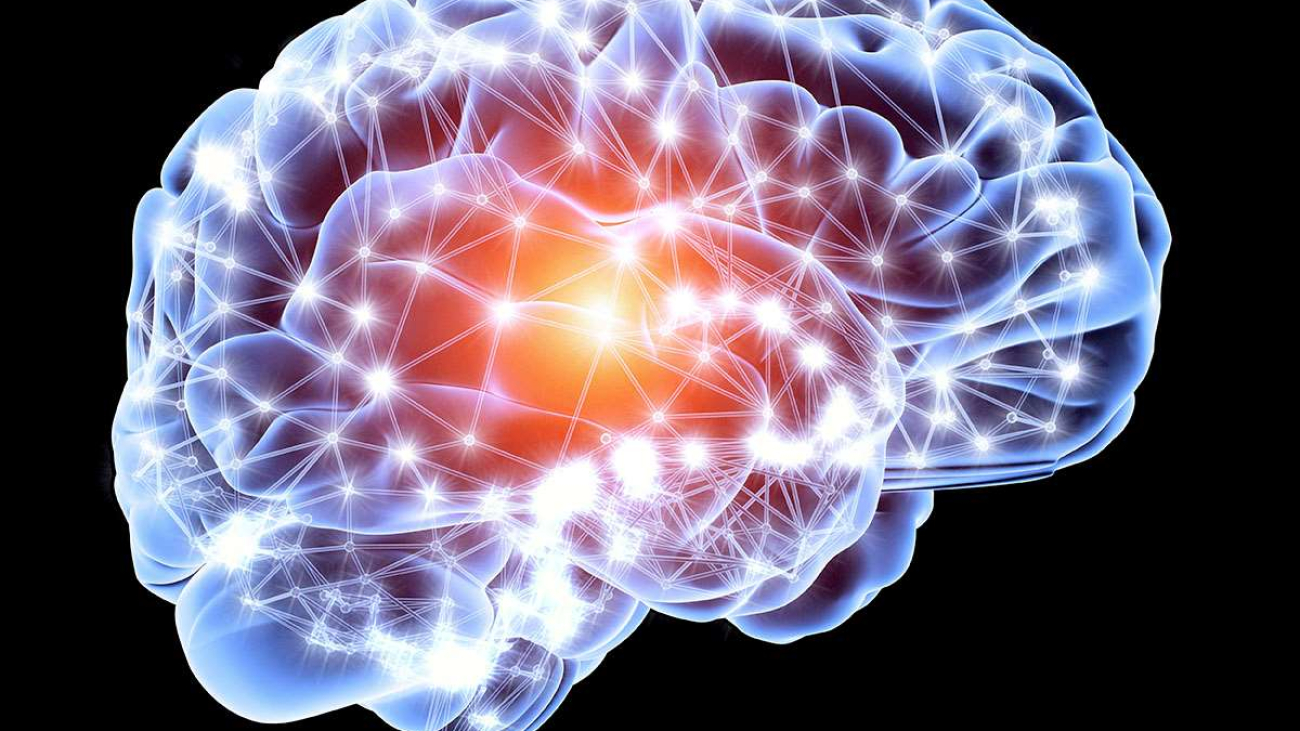
brain synapse image

Our infusions – how do they work in the brain?

Our infusions – how do they work in the brain?


For Depression:

The medication we use is an old-fashioned anaesthetic medication, which anaesthetists use to put people to sleep for operations, and provides sedation for painful procedures.

One of the reasons it works for depression is that it builds new connections in the brain. This is known as “Neuroplasticity”.

It does this by first blocking the N-methyl-D-aspartate (NMDA) receptor, causing a surge in the neurotransmitter glutamate, which, through a series of brain chemical reactions, results in an increase in a nerve-growth hormone called Brain-derived Neurotrophic Factor (BDNF). This is the chemical which causes new neural connections to be formed in the brain.

Another mechanism by which it may work in the brain is to subdue a certain part of the cortex, known as the subgenual anterior cingulate cortex (sgACC). The SgACC has been shown to be over-activated in patients with treatment-resistant depression. In various studies, it has been demonstrated that our medication has a calming effect on the SgACC.

It also has a weak effect on opioid receptors, as well as reducing cravings for alcohol.


For Pain:

Our medication works by blocking a pain receptor in the brain, the N-methyl-D-aspartate (NMDA) receptor. In chronic pain states this NMDA receptor is over-stimulated, and contributes towards the ongoing perception of pain by the brain. This perception of pain can continue even after the original pain stimulus has been removed/resolved.

It also works by:

  • enhancing the body’s own anti-pain pathways in the spinal cord (descending inhibition of pain signals)
  • causing anti-inflammatory effects in the brain and spinal cord
  • building new connections in the brain. This is known as “Neuroplasticity”.


You will need to come for a minimum number of 6 infusions over a 3-week period, for the medication to have a lasting effect, as the brain needs multiple treatments for the Neuroplasticity to occur. After that, you will need to come about once a month to maintain the effect.

If you come for just 1 infusion, you will experience an increase in mood and a reduction in your chronic pain, but the effect will wear off over about 2-3 days. Thus the need for at least 6 infusions for it to be of lasting benefit.

Doctor holding a card with text ketamine,medical concept

The Role of Ketamine in Mental Health: Balancing Safety and Efficacy

The Role of Ketamine in Mental Health: Balancing Safety and Efficacy

Matthew Perry, beloved for his iconic role as Chandler Bing in the ’90s sitcom “Friends,” tragically passed away due to the acute effects of ketamine. His death has sparked discussions about the safety and efficacy of this drug, especially when used as a treatment for depression and other mental health disorders. In this article, we’ll explore both sides of the debate, emphasizing the importance of informed decisions and responsible administration.

The Ketamine Renaissance

What Is Ketamine?

Ketamine, originally developed as an anaesthetic in the 1960s, gained FDA approval for medical use in the United States in 1970. Initially used in battlefield medicine and surgeries during the Vietnam War, it proved effective as an emergency anaesthetic due to its rapid action and relatively low toxicity. However, it also found its way into the illicit underground, where it became popular as a recreational drug.

Ketamine’s Dual Nature

  1. Recreational Use: Ketamine is known for its “dissociative” quality, distorting sound and vision and inducing out-of-body experiences. Recreational users have sought these effects, especially in the UK and increasingly in the US.
  2. Clinical Potential: In recent years, ketamine has emerged as a promising treatment for mental health conditions. Here’s why:
    • Rapid Antidepressant Effects: Ketamine can improve mood within hours of administration at low doses. This rapid action is crucial for individuals with treatment-resistant depression.
    • Neurogenesis: Scientific literature suggests that ketamine promotes neuronal growth, potentially reversing damage caused by depression.
    • Off-Label Use: While ketamine is SAHPRA-approved only for anaesthesia and sedation for medical procedures, clinicians have explored its off-label application for depression, anxiety, PTSD, and other psychological maladies.
      (SAHPRA: South African Health Products Regulatory Authority)

The Safety Debate

Matthew Perry’s Case

Matthew Perry’s death highlights the need for caution. He received ketamine treatment but also engaged in unsupervised, recreational usage. It’s essential to distinguish between medically supervised administration and recreational misuse.

Ensuring Safety

  1. Supervised Settings: Clinics like Ketafuse in Knysna administer ketamine in controlled, supervised doses. These settings prioritize safety and professional oversight.
  2. Risk Factors: Ketamine isn’t risk-free. Potential side effects include dissociation, elevated blood pressure, and hallucinations. Clinicians must assess individual risk factors.
  3. Informed Consent: Patients should understand the risks, benefits, and alternatives before starting ketamine treatment.

The Evidence for Ketamine

Clinical Studies

  1. Antidepressant Effects: Numerous studies demonstrate ketamine’s rapid antidepressant effects. It offers hope for those who haven’t responded to traditional treatments.
  2. Long-Term Benefits: Some evidence suggests that repeated ketamine infusions may provide sustained relief from depression symptoms.
  3. Neuroplasticity: Ketamine’s impact on neuroplasticity and neuronal growth is a promising avenue for research.

Conclusion

Ketamine’s potential as a mental health treatment is undeniable, but it must be administered responsibly. In safe, supervised settings, it can offer relief to those suffering from debilitating conditions. Matthew Perry’s tragic passing reminds us of the delicate balance between benefit and risk. Let’s continue exploring ketamine’s therapeutic possibilities while prioritizing patient safety.

Remember, informed decisions and professional guidance are essential. If you or someone you know is considering ketamine treatment, consult a qualified healthcare provider to weigh the pros and cons carefully.

1Psychology Today 2The Guardian

Interested in Ketamine. Contact Us


1 woman book

Client story: Finding her inner strength

Client story: Finding her inner strength

Eleanor (not her real name), 60 years old, had been struggling with depression for many years. She had been the victim of abuse from a family member, who had sexually assaulted her for many years during her childhood. Later, she got married, but due to her low self-esteem she chose a strong character – a narcissist. After 17 unhappy years they got divorced.  She smoked a pack of cigarettes a day, drank alcohol and was on multiple psychiatric medications to help her cope with her post-traumatic stress disorder and severe depression.

In January 2023 she decided enough was enough. She spoke to her psychiatrist who referred her to Ketafuse for our infusions.

The infusions transformed her life. After her first few infusions, she felt the depression lift, and she was able to focus on her art and gardening. She kept a journal, documenting her infusion “journeys” and the various life issues she was processing through these journeys. She said goodbye to that “little girl” who had been so hurt in her childhood.

She first needed booster infusions once every three weeks, which extended to once a month, then once every 2 months. She followed up with her psychiatrist who reduced her depression and anxiety medication down to less than half of what it had been. The world looked beautiful to her, and she started to appreciate the nature and animals around her. Her creativity blossomed.

She stopped smoking and drinking alcohol. She just didn’t have the cravings anymore.

She became assertive enough to write an email to the family member who had hurt her, thus putting proper boundaries in place.

Ketafuse transformed her life.

Are you ready to take back your life? Contact us today!

Photo by Ben White on Unsplash

paola-chaaya-eAkjzXCU0p0-unsplash

Discover a breakthrough approach to mental wellness

Discover a breakthrough approach to mental wellness

Did you know that depression has been named by the World Health Organisation as the leading cause of disability worldwide? Depression is characterised by feelings of sadness or emptiness, trouble with memory or making decisions, insomnia, fatigue, increased pain sensitivity, eating too much or not eating at all, feelings of clinginess or loneliness, and preoccupation with death or risk of wanting to commit suicide.

Here at Ketafuse we want to prevent that, and enable our clients not only to overcome depression, but also to be enabled to overcome past traumas and go on to live fulfilled, joyful lives.

The medication* that we use is an anaesthetic medication, which works as a moderately fast-acting antidepressant. It has been shown to rapidly improve the mental health of thousands of people around the globe.

Our medication is revolutionary in that it has immediate and long-term effects:

The immediate effect causes an improvement in mood about 2 hours after receiving it. With regular antidepressants one typically has to wait at least 2 weeks for the antidepressant effect to kick in.

While traditional antidepressants can affect levels of certain brain chemicals related to mood and emotion, our medication influences a different neurotransmitter called glutamate. It then triggers a cascade of biochemical, structural and functional changes in the brain known as neuroplasticity.

This neuroplasticity, which only occurs after a person has received repeated infusions, causes a long-term effect in the brain: the neurons actually grow and reconnect, thus effectively “rewiring the brain”, making the brain more malleable and receptive to therapy or alternate ways of thinking.

The ideal number of infusions one needs for this to occur is six infusions, over 3 weeks.

Experts say that this medication appears to provide a kind of “mental time out” from distressing thought patterns. Dr Daniel Brenner, a psychiatrist and founder of Cambridge BioTherapies in the USA, said that as negative thinking begins to quieten down during and after this therapy, many patients begin to find psychotherapy more productive, and behavioural patterns easier to adjust. “Feelings become more available,” Brenner said. “It’s not just an antidepressant, it’s also a medication that shuts down the anti-reward circuitry in the brain that gives rise to shame and self-reproach and the desire to hurt oneself.”

Take back your life – contact us today!

Call/WhatsApp: +27 66 239 6044

www.ketafuse.co.za


*Technical information available on request.

Photo by Paola Chaaya on Unsplash